CorkLink Blog
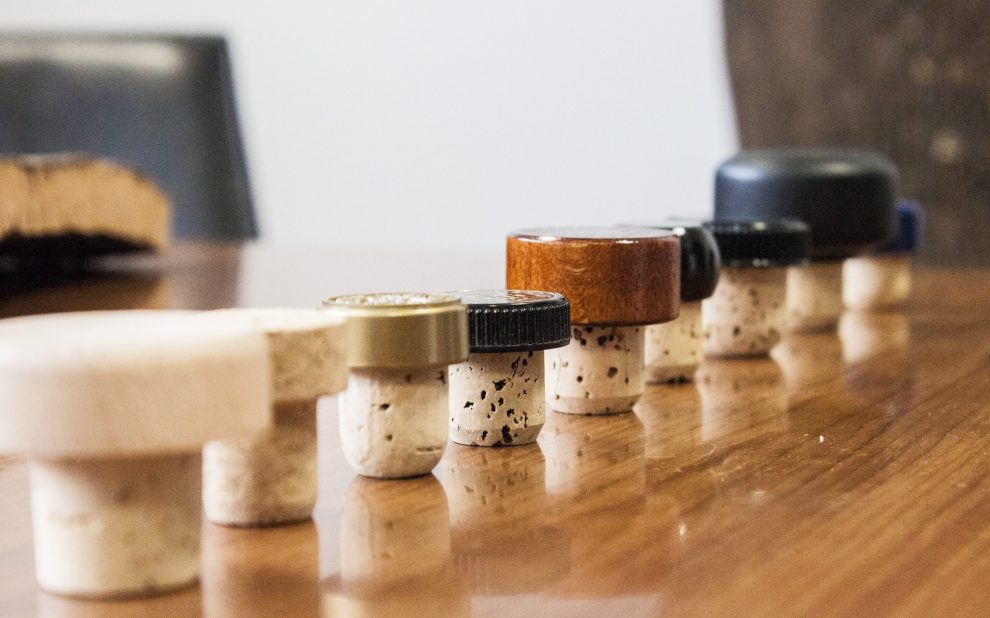
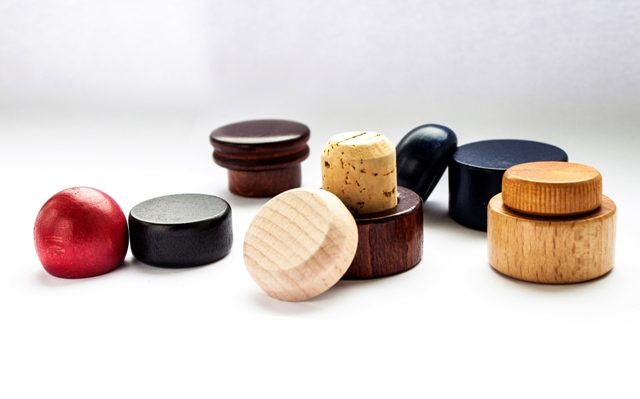
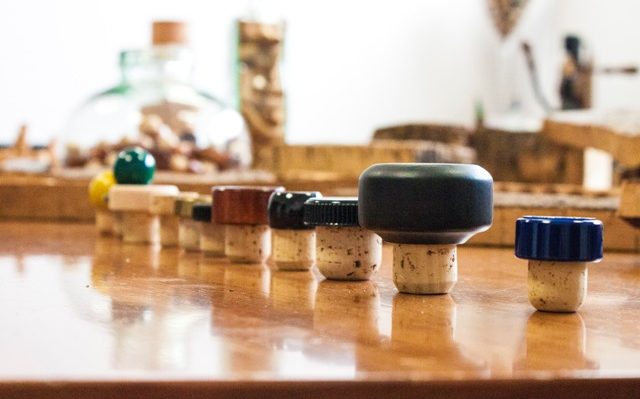
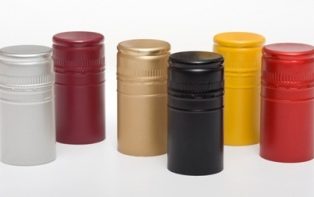
Some of our clients like to buy their corks together with the capsules and we are of course very happy to supply this. We can supply PVC capsules, polylaminate capsules and tin capsules with pretty much any colour and graphics you may require.
Polylaminate capsules are an effective lower cost alternative to tin capsules, as they have a more robust feel than PVC capsules and are easy to customise in terms of adding tear strips, perforations, embossing, hot foil stamping and carry graphics well. They are made from three layers: aluminium / polyethylene / aluminium and then an aluminium top disc, which makes them strong but easy to fit.
If you would like to have a quotation for your capsule requirements and would like to buy direct from a capsule supplier in Portugal, please get in touch with us at CorkLink.
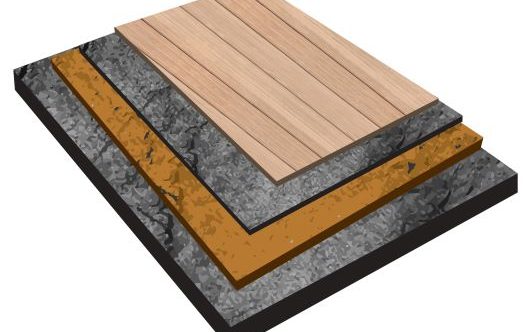
There are new treatments coming out for cork to make it more durable and easier to clean and we are now able to supply some really innovative products. CorkLink has just developed a 100% cork jigsaw floor mat – previous cork floor mats have generally had rubber or Evo backing to make them more durable, so that they do not break or crumble when bent, but the new treatment given to our cork means that no backing is required.
So this means our new cork floor mat is 100% natural and recyclable and with all the hypoallergenic properties that cork brings. Plus because of the treatment the cork has been given, it is much easier to wipe clean than untreated cork.
If you are looking for a easy to set up and remove cork floor for children to play on, or for example for gym equipment and you want 100% natural then this is the product for you. Please contact us if you are interested in being supplied with this product – at the moment we have only developed it in natural cork colours and without additional coloured patterns, but it is possible to produce many variations on our basic model.
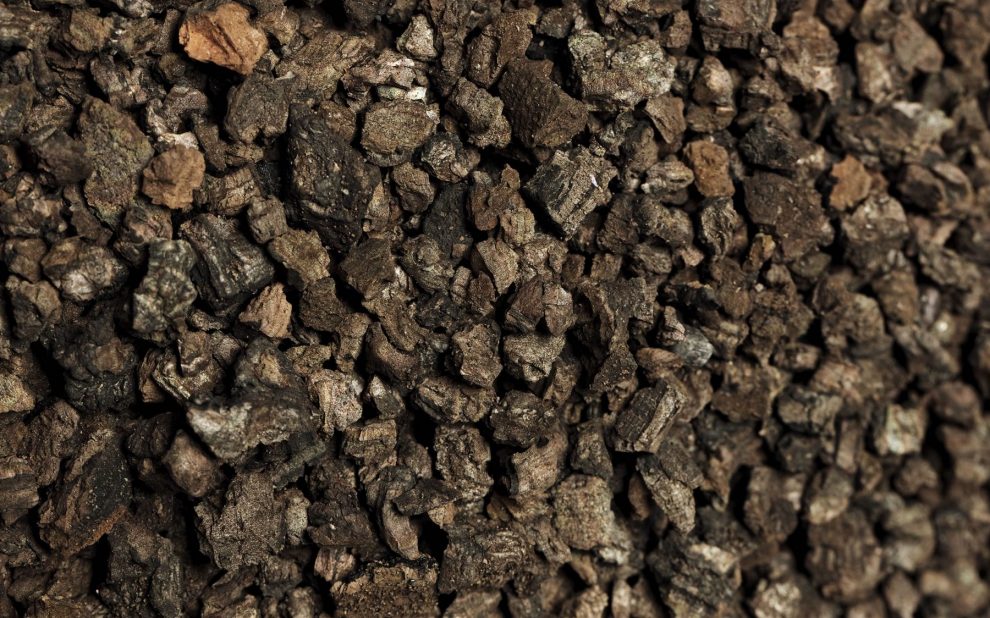
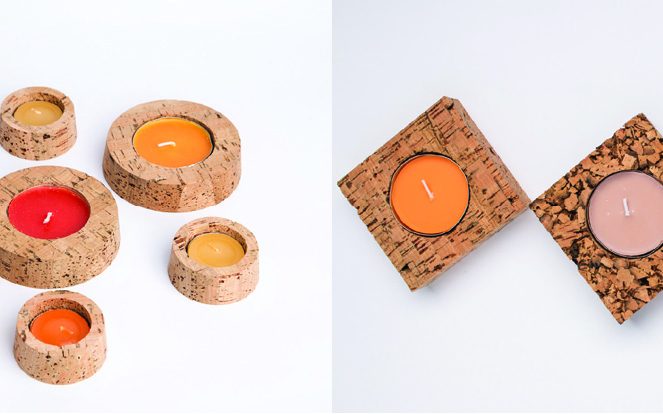
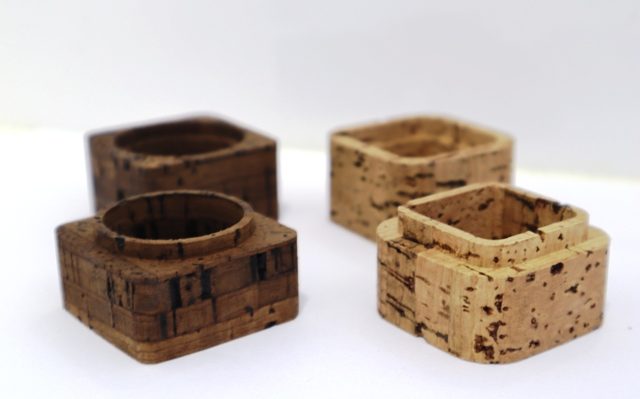
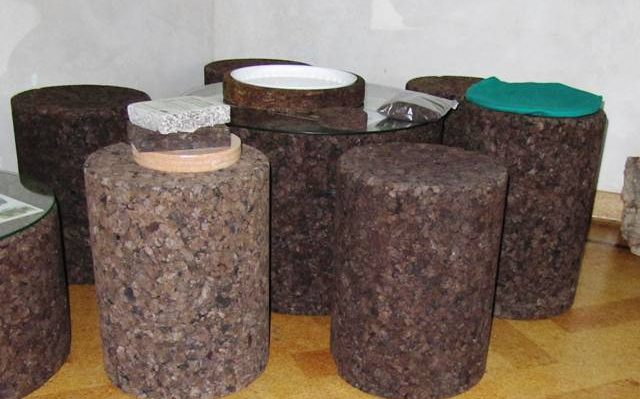
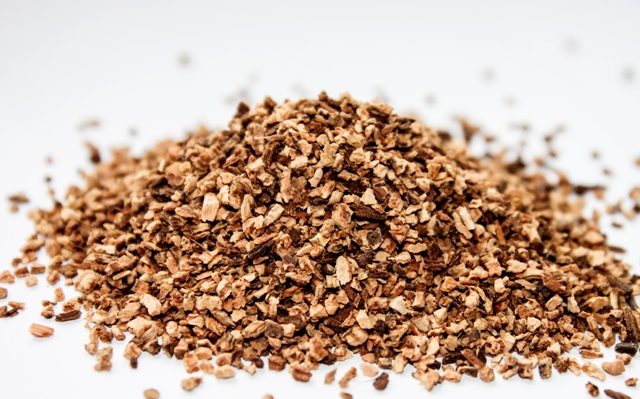
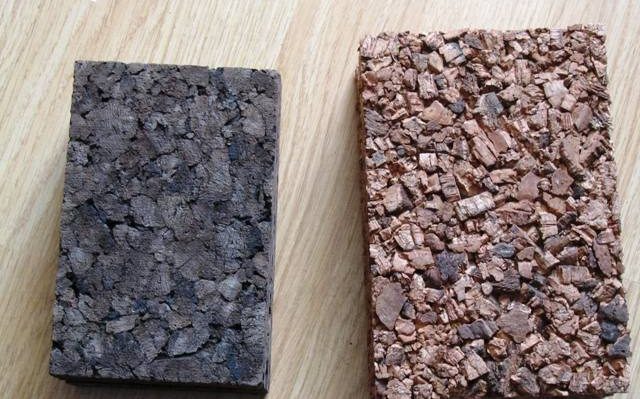
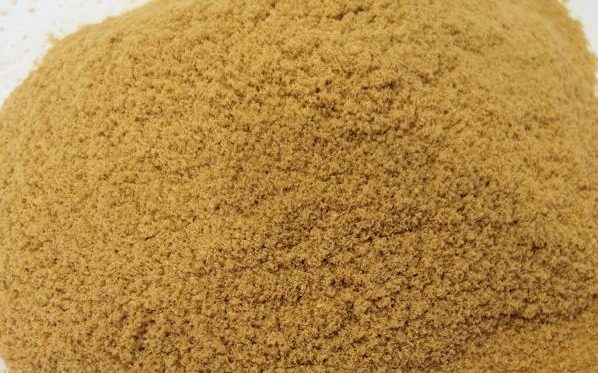
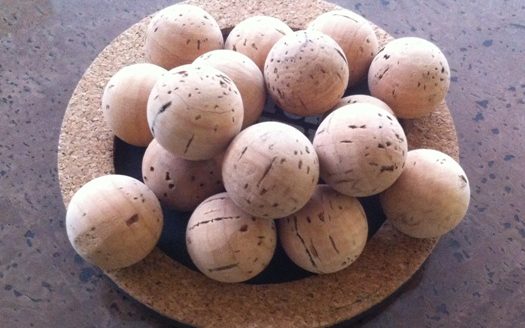
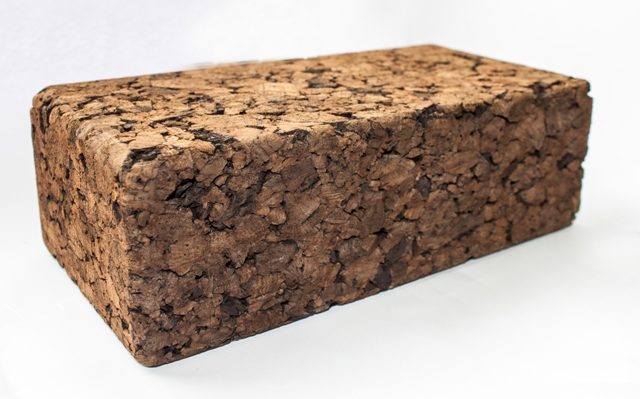
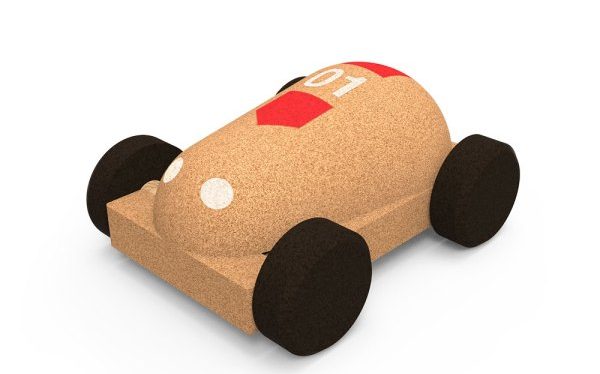
There have been a lot of advances in the moulded (or molded for USA readers!) cork sector recently. Essentially the process works by mixing micro-agglomerated cork granules (less than 2mm) with a powerful adhesive and then poured into a mould and submitted to high pressure so that it sets. This allows us to make all sorts of things out of cork (tableware, shoes, housewares, decorative objects and so on), which have all the unique properties of cork as well as the aesthetic appeal.
If you are interested in developing a molded cork product, then in most cases we would design a mould specific for you the product (which will generally cost over 2000 euros, depending on the complexity) and in this sense is works much like making a moulded plastic product.
You can make quite fine details in moulded cork and it is robust and heat resistant, so there are a broad range of applications that it can be used for. If you would like to find out more about moulded cork products and for a quotation for your product please get in touch with us at CorkLink.
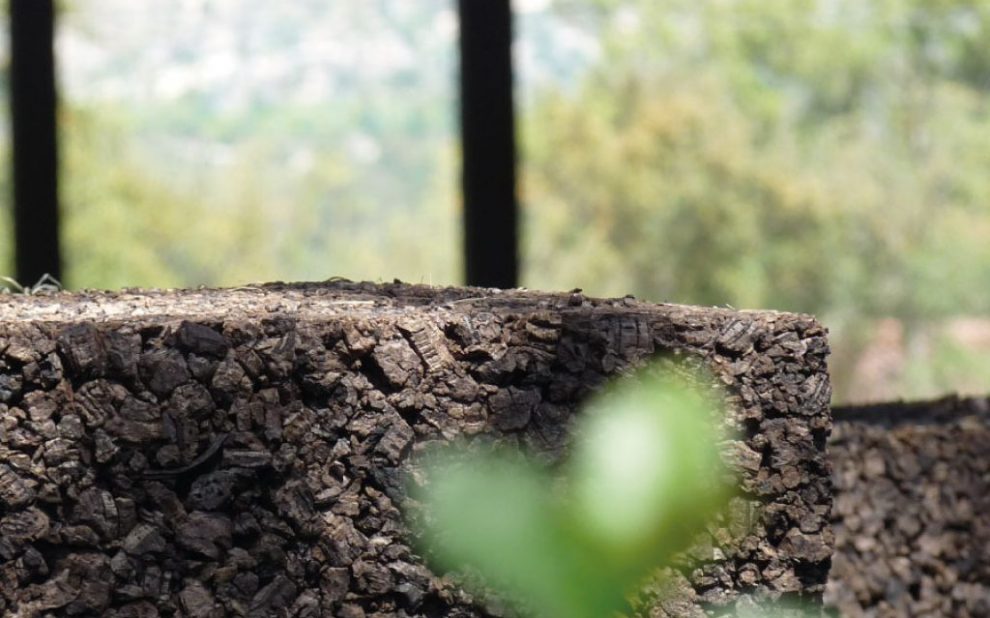
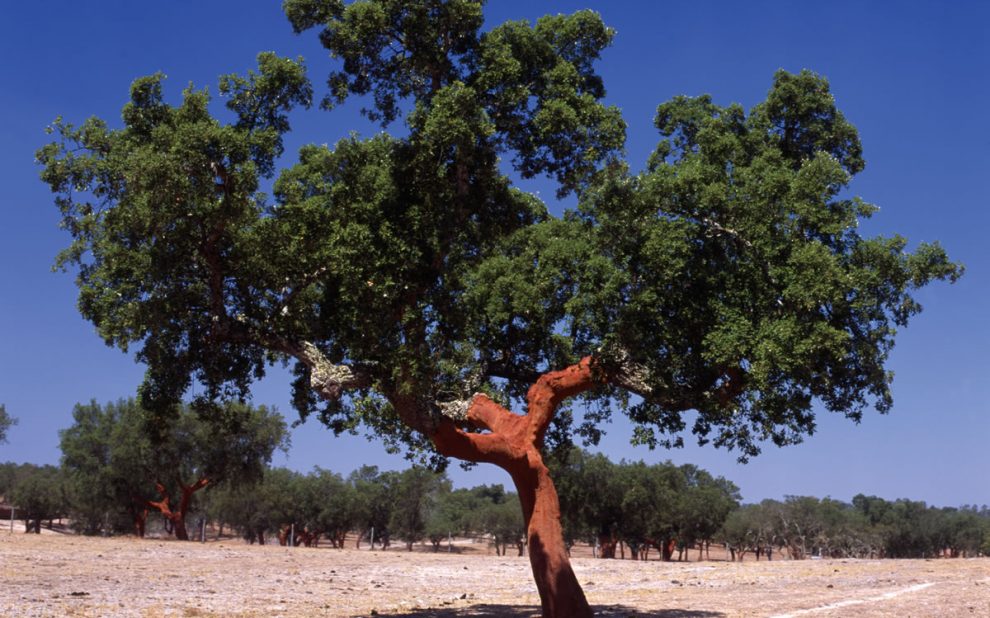
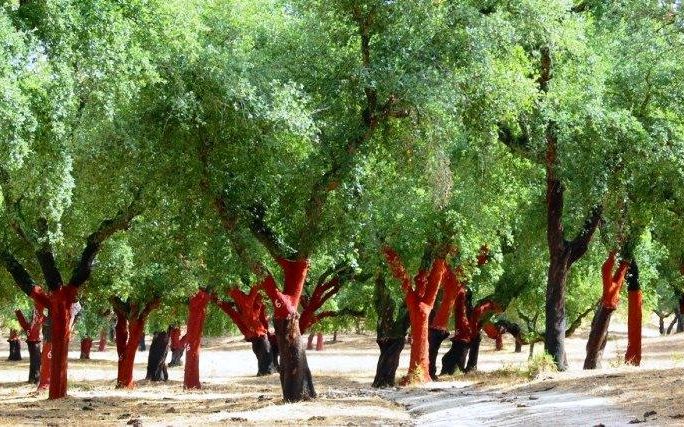
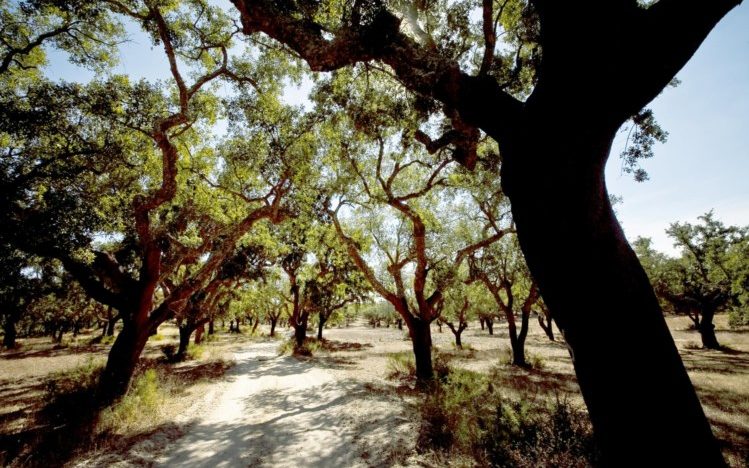
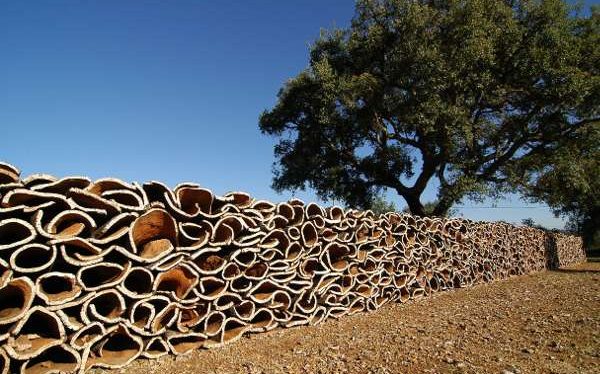
Cork is actually just another name for the bark of particular oak tree (Quercus suber, more commonly known as Cork Oak), which is native to southwest Europe and northwest Africa. They can grow as tall as 20m and live for over 150 years and form stunningly beautiful forests, particular in central and southern Portugal where they are very extensive (accounting for around 50% of the world’s cork trees). These forests support an amazingly diverse ecosystem that has been left broadly untouched for centuries and in Portugal they are so valued it is illegal to cut down a Cork Oak.
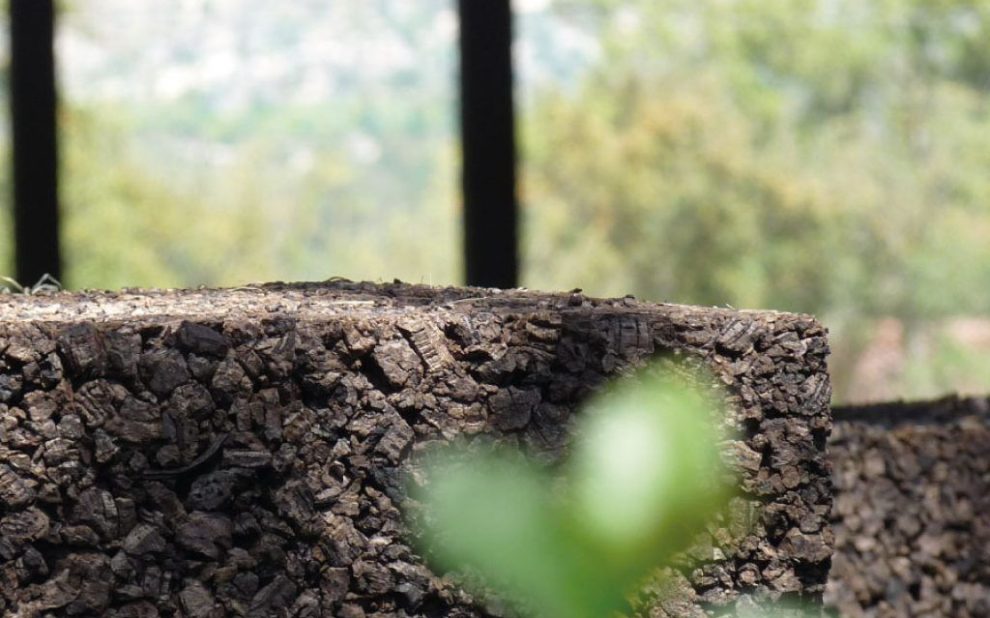
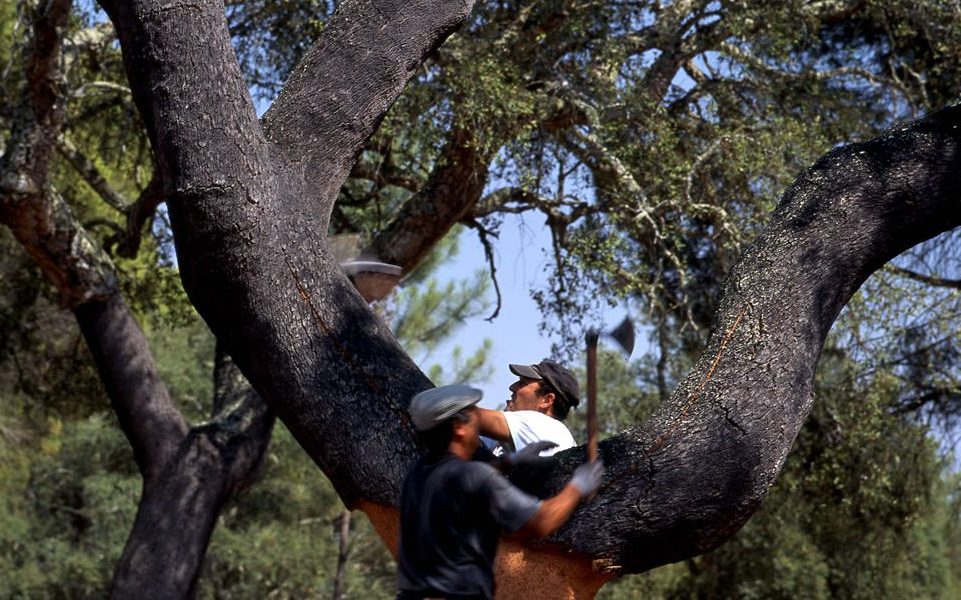
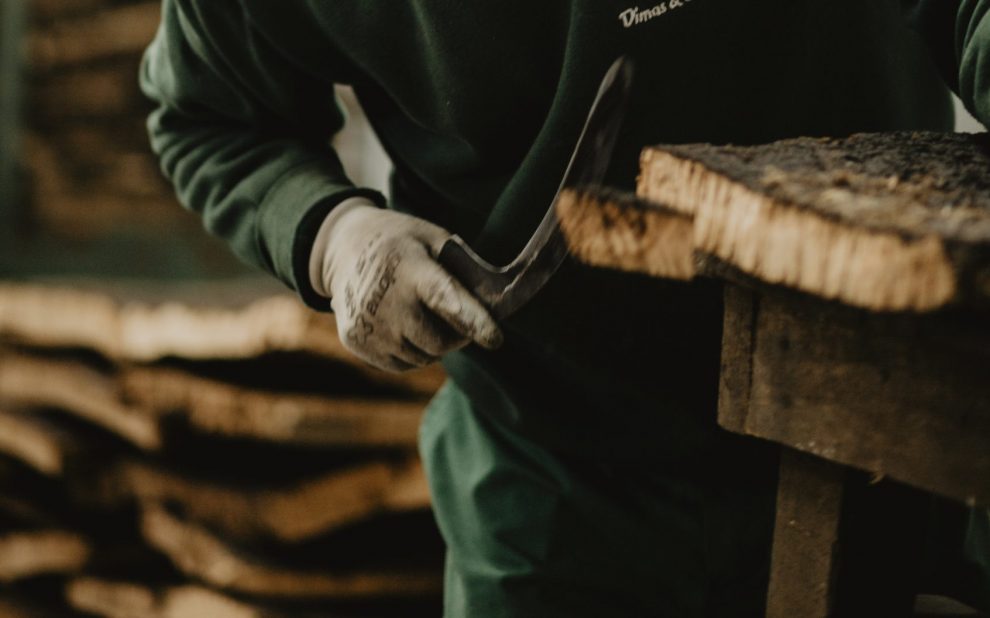
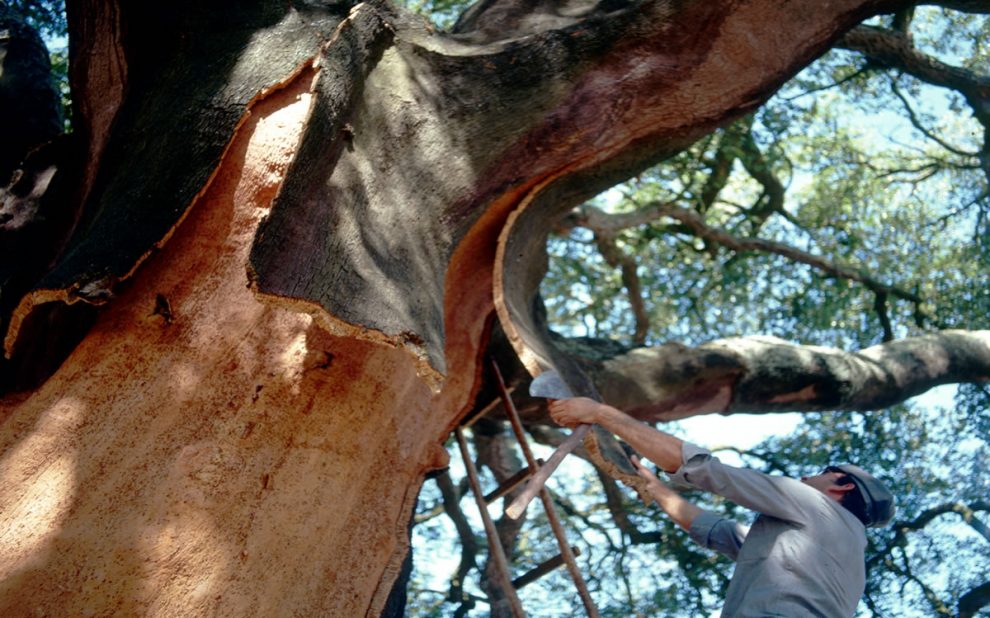
Cork is harvested by stripping the bark from a tree and the fantastic thing is, this does not harm the tree at all. The bark is then left to grow back and nine years later it can be harvested again. So if ever there was a sustainable, environmentally friendly product, cork is it! No machinery is used to strip the bark from the tree – just a very sharp little axe and a very skilled woodsman. The skill is to take the bark off in large pieces (or planks) and to make sure that the tree itself is not harmed by the axe. Typically this is a technique that is passed on from generation to generation and highly skilled woodsmen are much sought after.
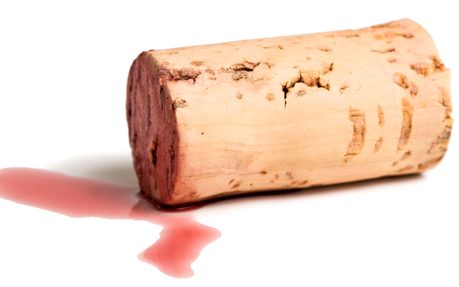
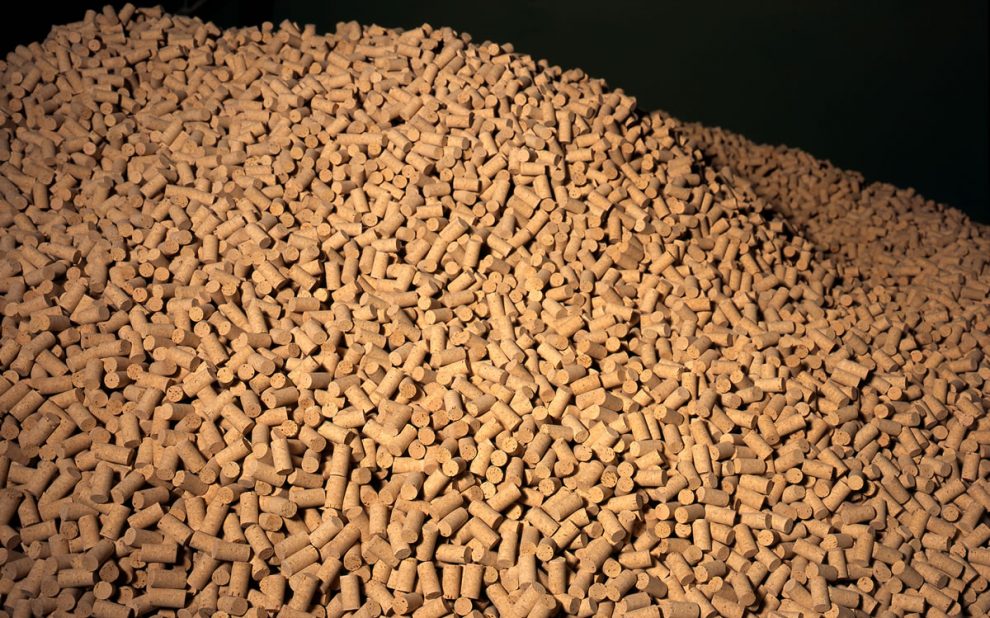
The European cork industry produces around 300,000 tonnes of cork a year with a value of around 1.5 billion euros (although prices can vary considerably from year to year). Wine corks reflect just 15% of the cork sold by volume, but around 65% of the total value of cork products sold – this is because good quality natural wine corks are highly valued by vineyards because of their unique properties in terms of preserving and nurturing wines in the bottle. There is also an aesthetic appeal to a natural cork stopper that synthetic stoppers cannot hope to match, and they can serve as a badge of quality for the wine.
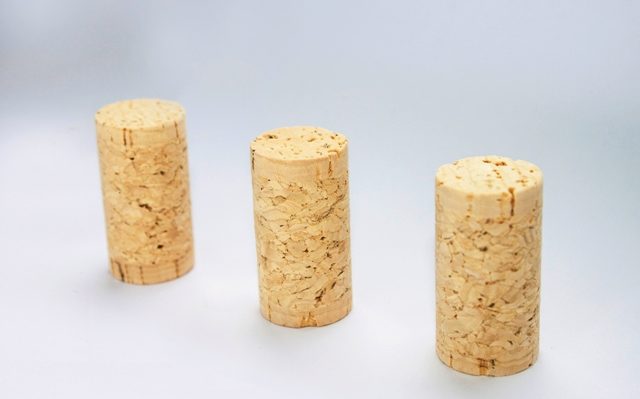
Wholesale wine corks are generally priced by the thousand and the price might go from under 15 euros per thousand for small (33mm) agglomerated corks to 800 euros per thousand for natural super premium (“flor”) large (48mm) corks. The quality of a cork depends on its structural reliability, the smoothness of the surface and the type of production process (as some cork manufacturers have more sophisticated production methods than others).
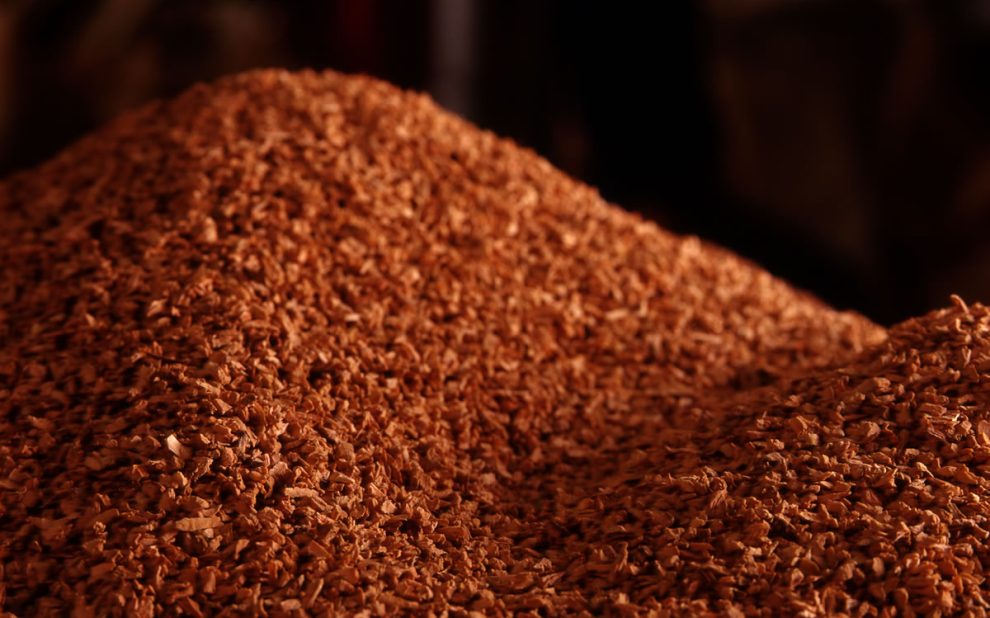
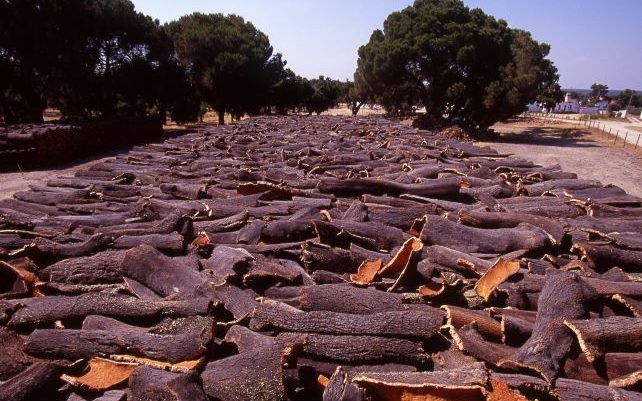
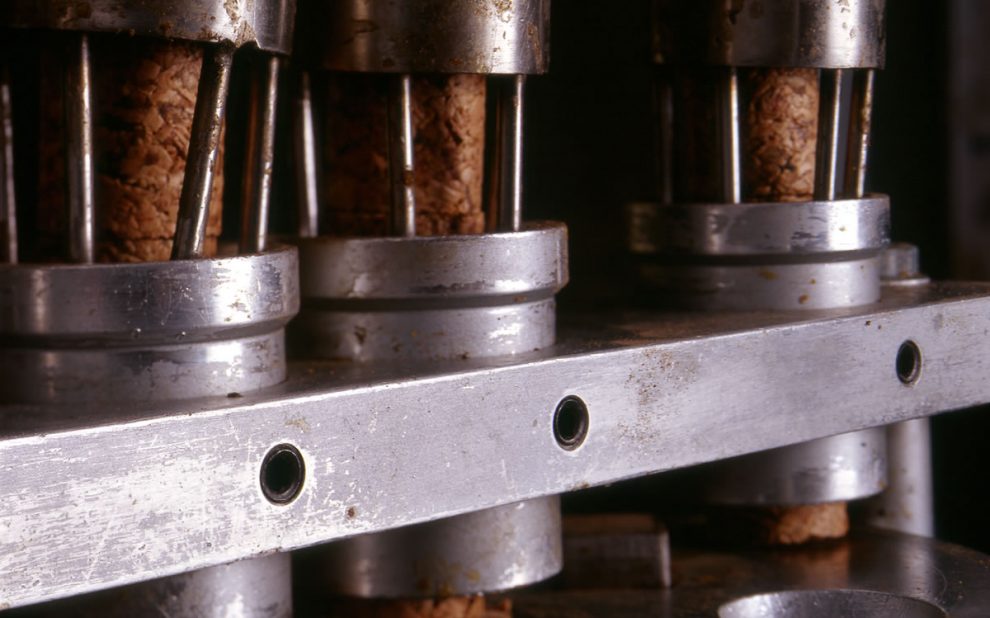
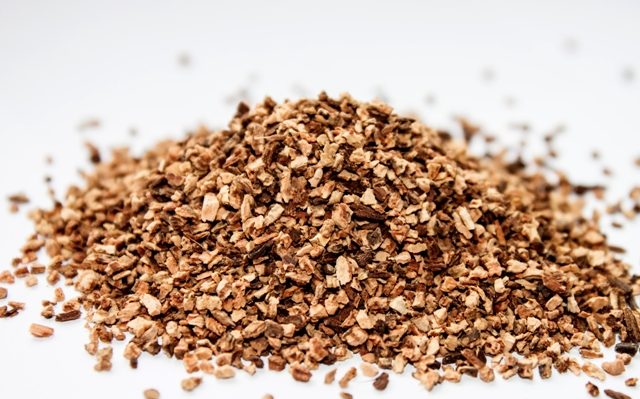
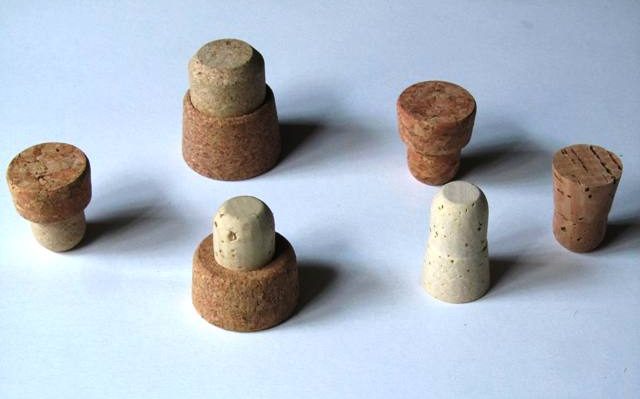
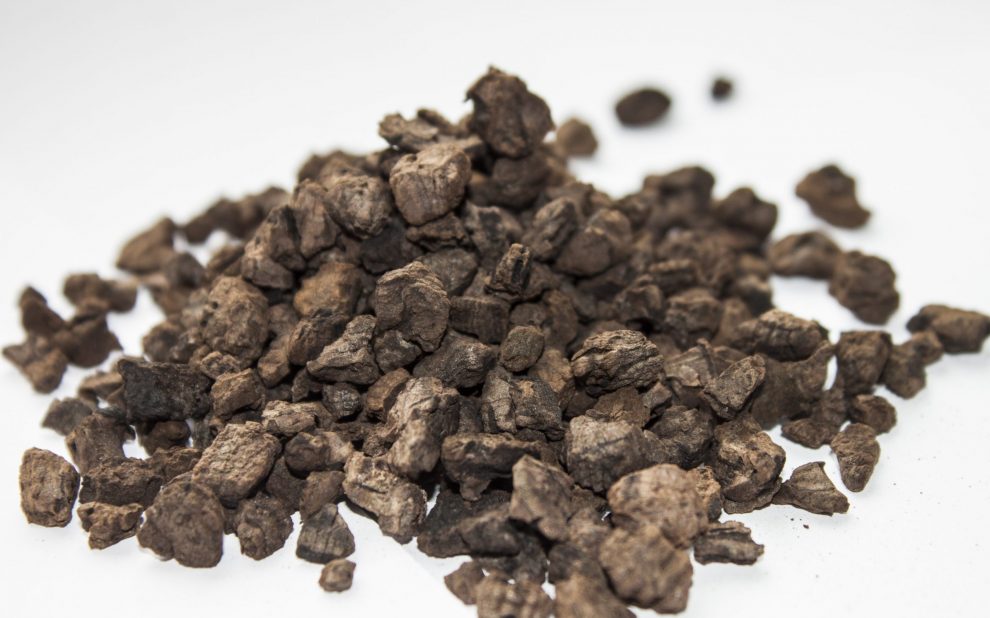
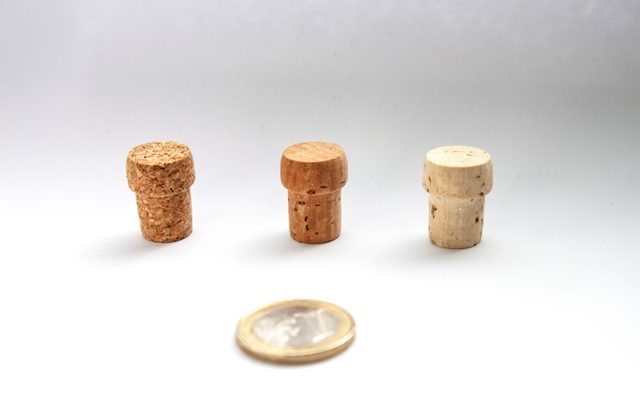
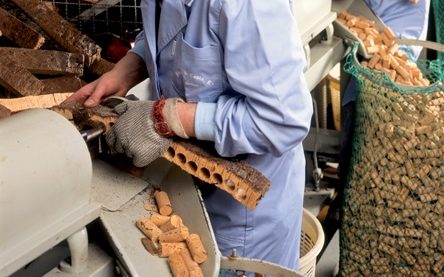
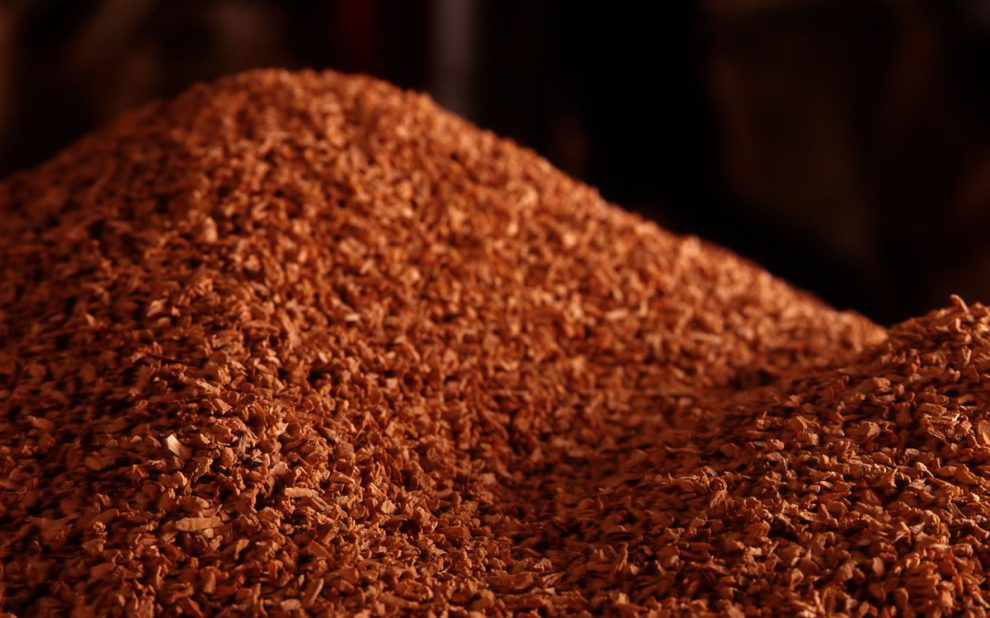
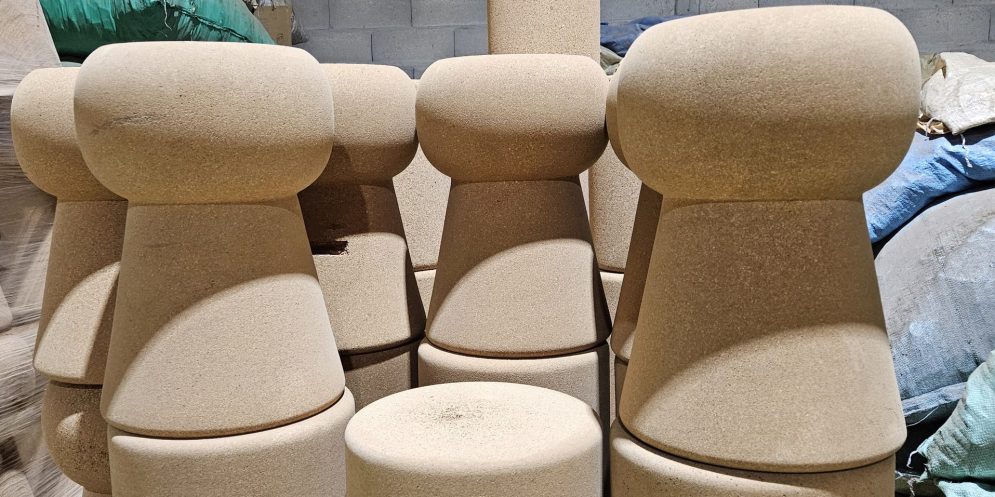
We have produced some conical corks in agglomerated cork to a client – we can produce them to more or less any dimensions and it is an interesting process how they are made. The cork industry is fascinating in that nothing goes to waste – natural corks are punched out of the cork bark that is stripped off the cork oak trees and the resulting off-cuts are ground up to make cork granules which can be used in a variety of ways.
In this case the cork granules are made into cork board in various thickness and then like the natural corks, the conical corks are punched out of the agglomerated cork board. Then the resulting off cuts are sent to be reground to make cork granules again.
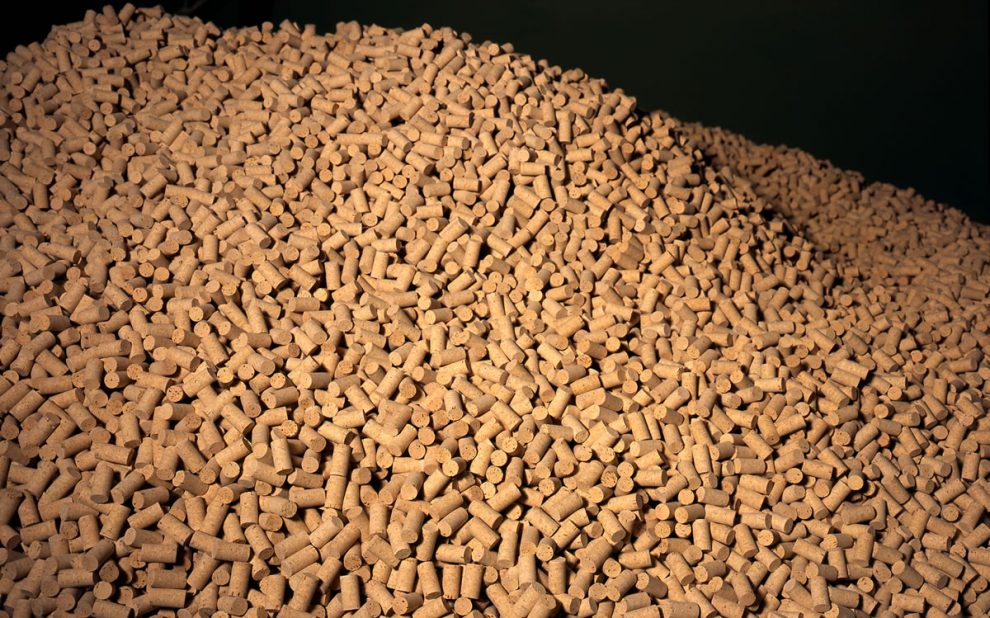
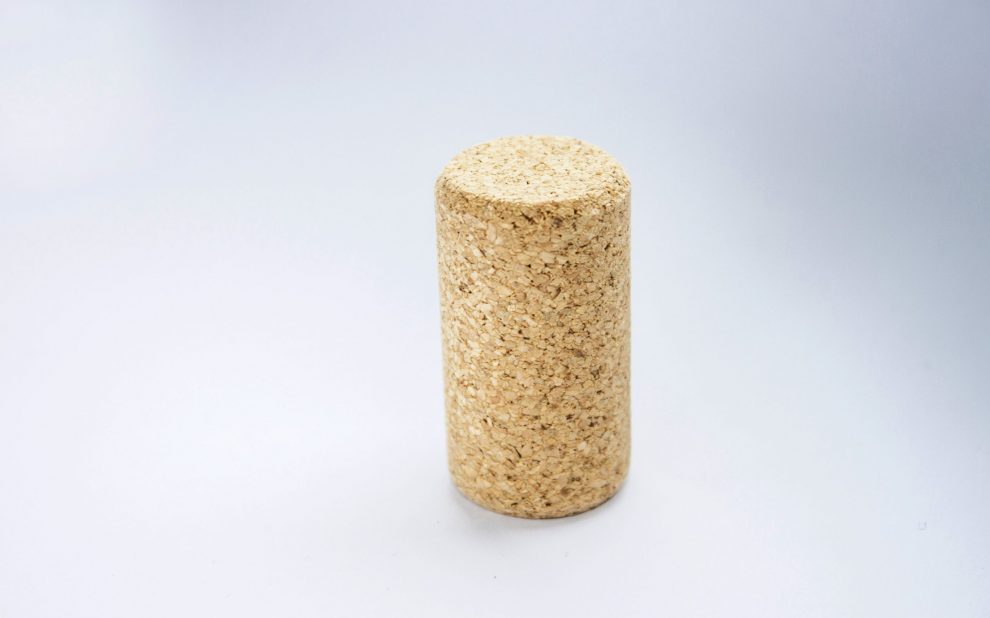
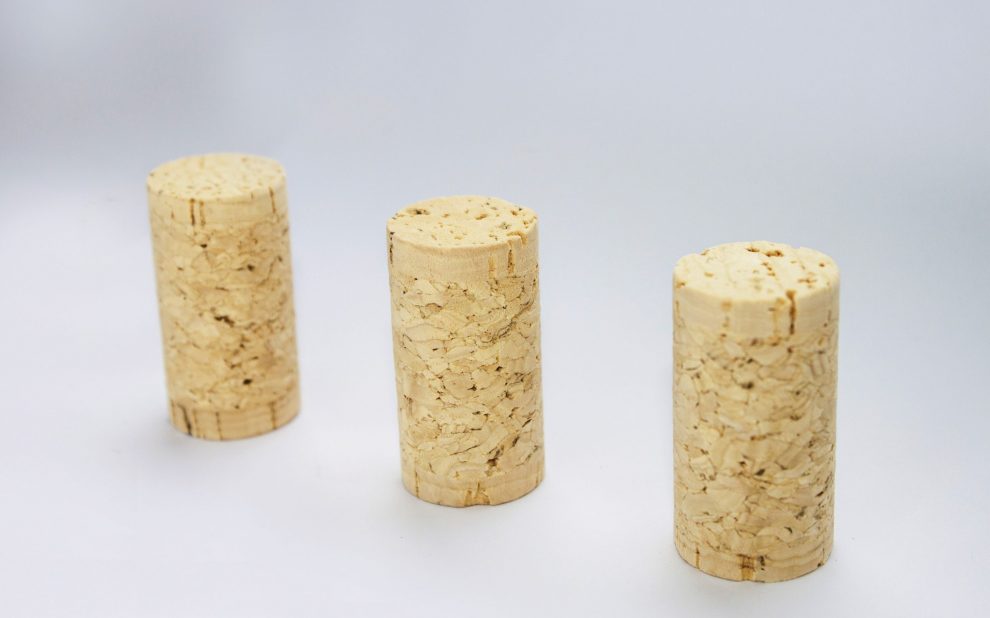
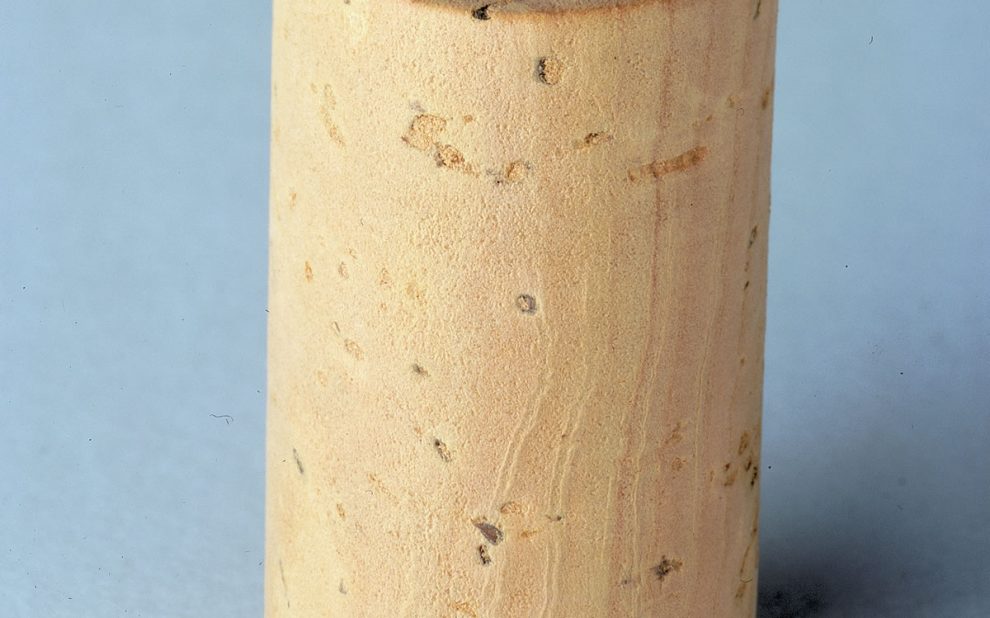
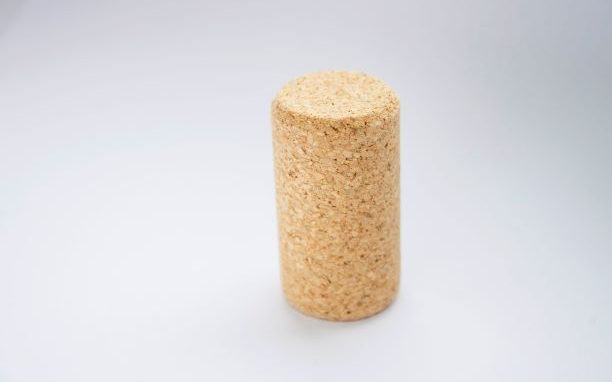
Agglomerated wine corks are made in a different way however – in this case the granules are mixed up with a food grade binder and the corks are extruded into rods (generally 23mm diameter) which are then cut to length to make corks (for example 44mm).

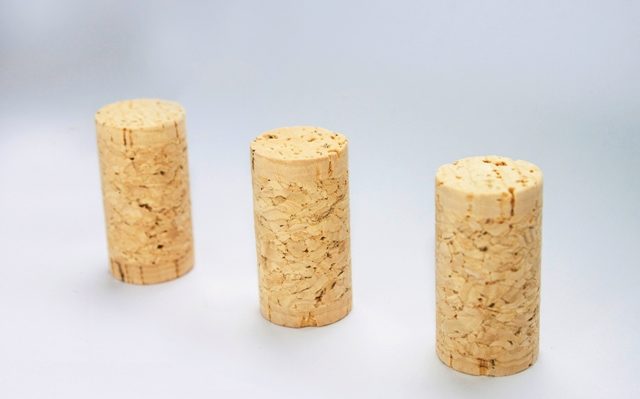
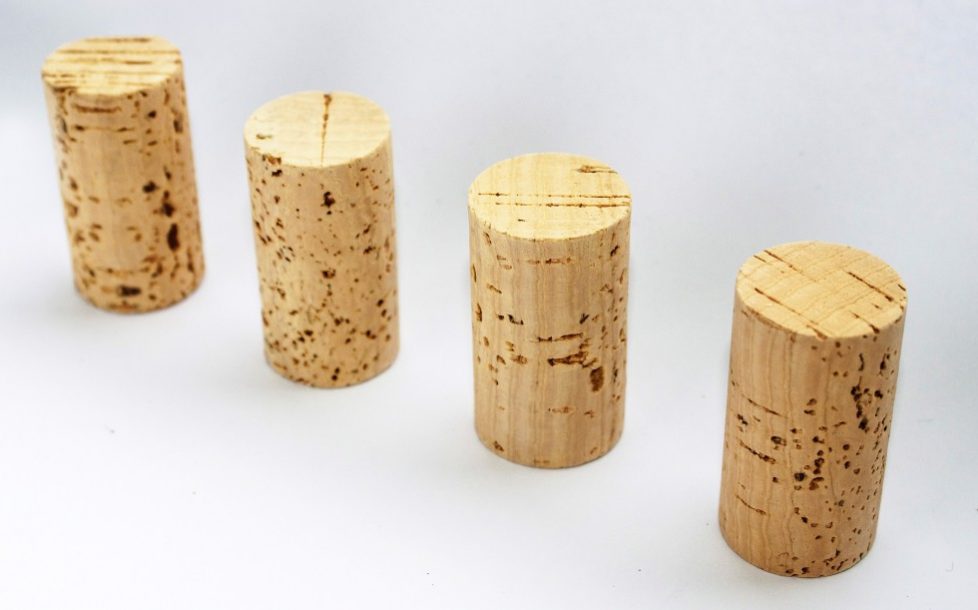
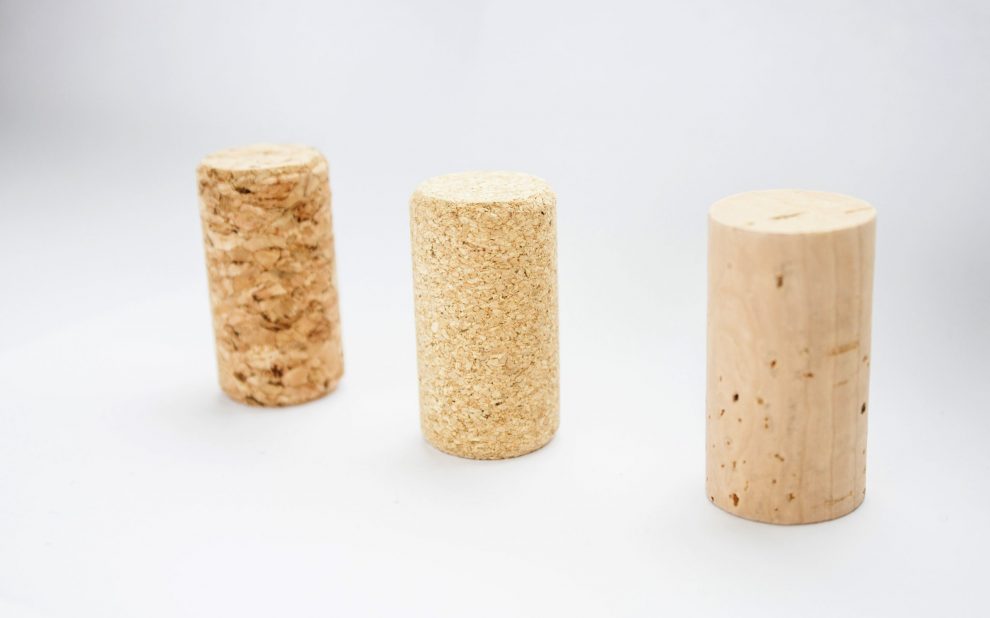
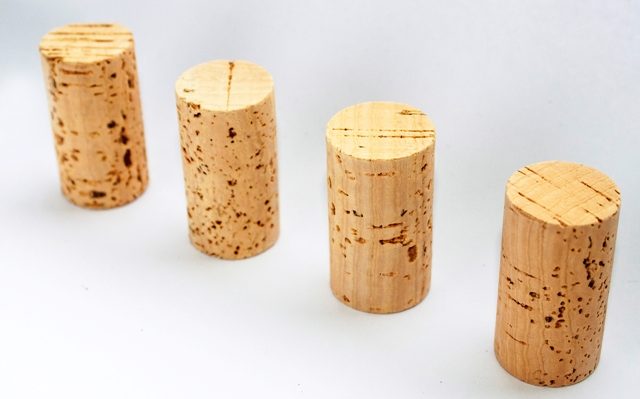
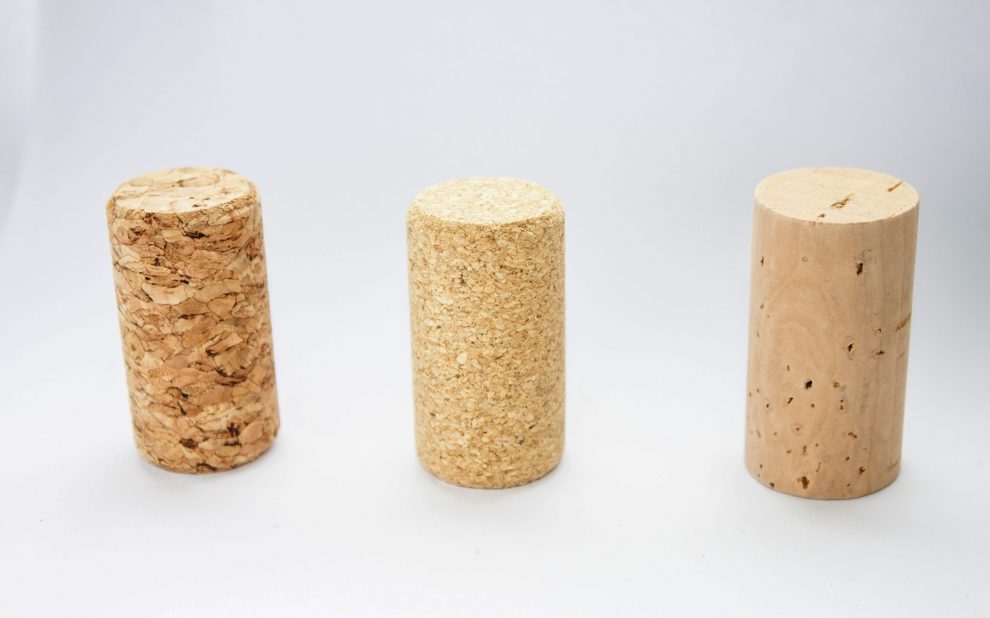
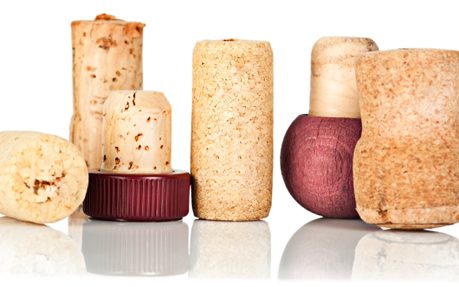
Sourcing wine corks can be a complicated business – even if you have decided to use natural corks (rather than colmated, agglomerated, 1+1, or micro-agglomerated), then you have to decide what classification of natural cork you want (extra, super, first, second etc) and then what kind of finish treatment you require for the corks.
Here we would like to consider the classification system only – the different categories essentially refer to the visual aspect of the cork stoppers as second quality corks should be just as structurally sound as extra quality, they will just have more superficial imperfections. There is a big difference in price however and the real problem is that different cork suppliers have different classification systems, so it is difficult to compare like with like. That is to say one supplier’s first category cork will be another’s second. That is why we suggest to all the companies that come to us for a quote that they look at some of our samples, so that they can see what we mean by our different classifications and perhaps compare them to other suppliers’.
The other very important factor to consider is that the classification of the corks is only the visual aspect of the product – the integrity of the production process is really what will determine the reliability and consistency of the corks, so for this you really need to look for a credible supplier. That is why CorkLink will give you every technical assistance and assurance to show you that the corks we supply are made to the best industry standards.
With no universal classification system, sourcing natural wine corks is a complicated business, so please don’t hesitate to ask us if you have any questions or would like to see some sample corks.
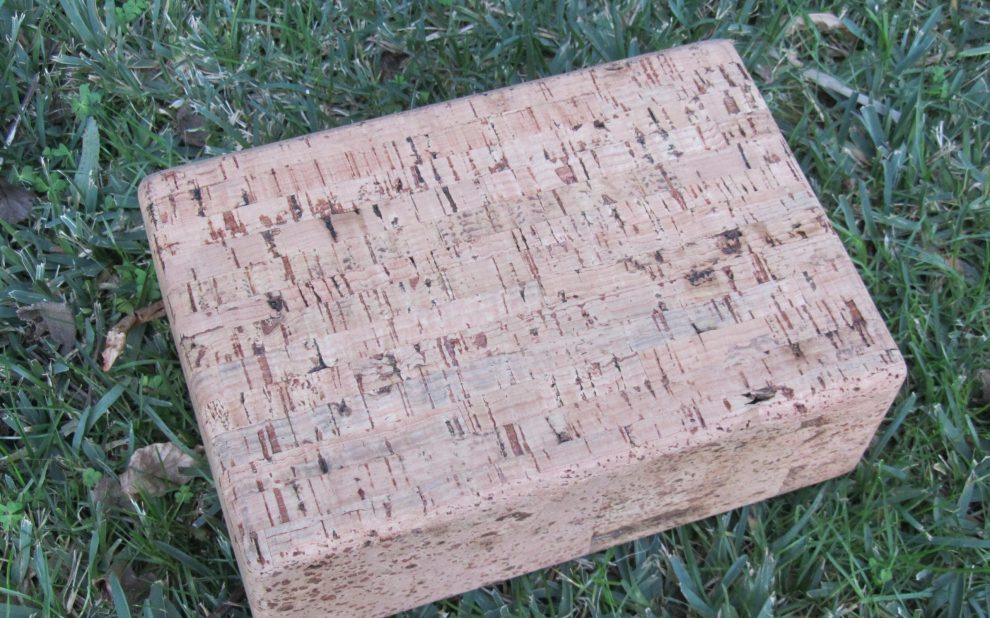
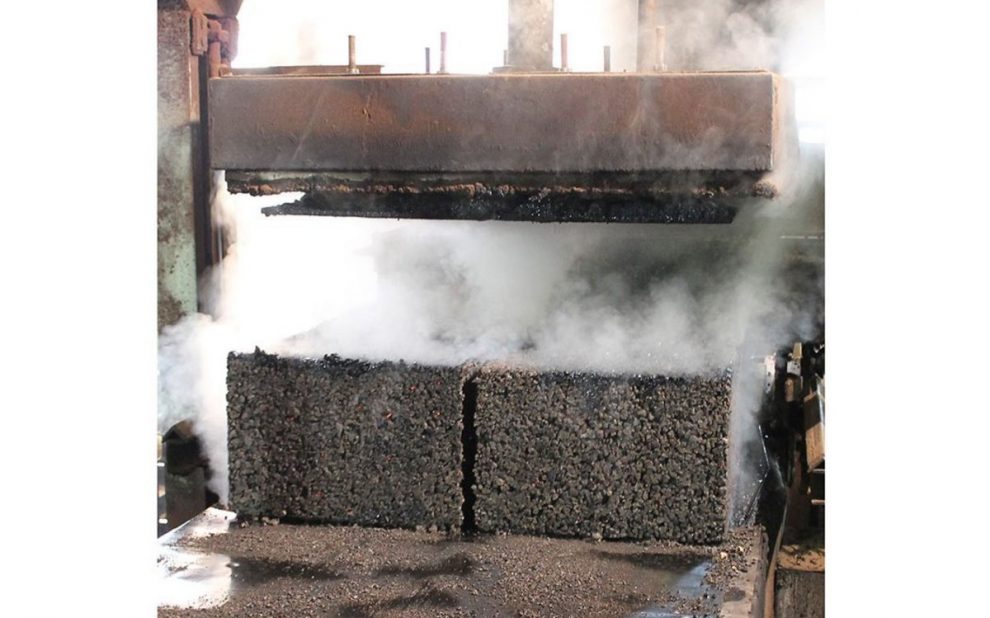
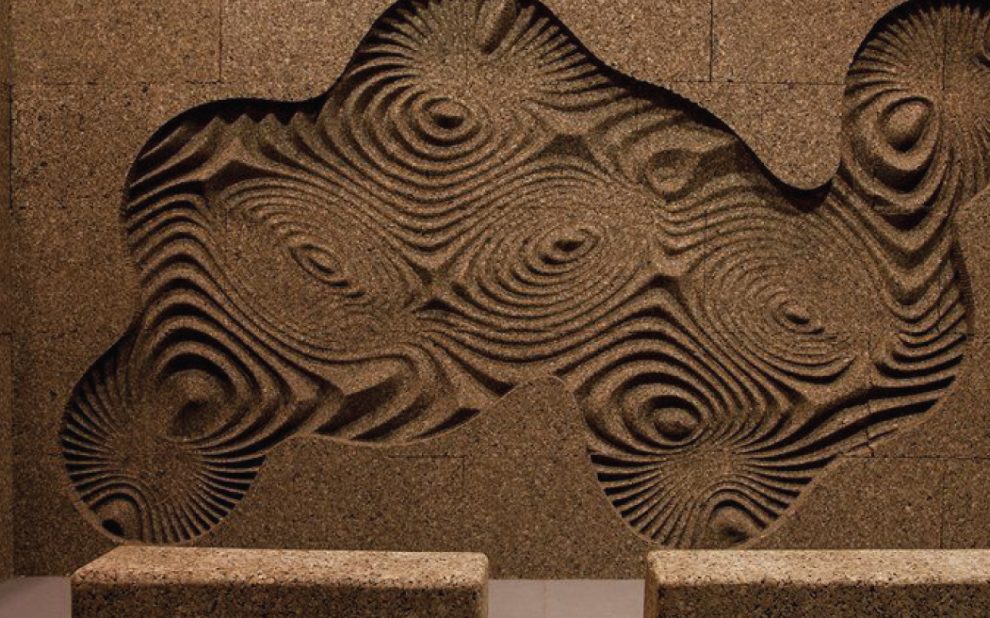
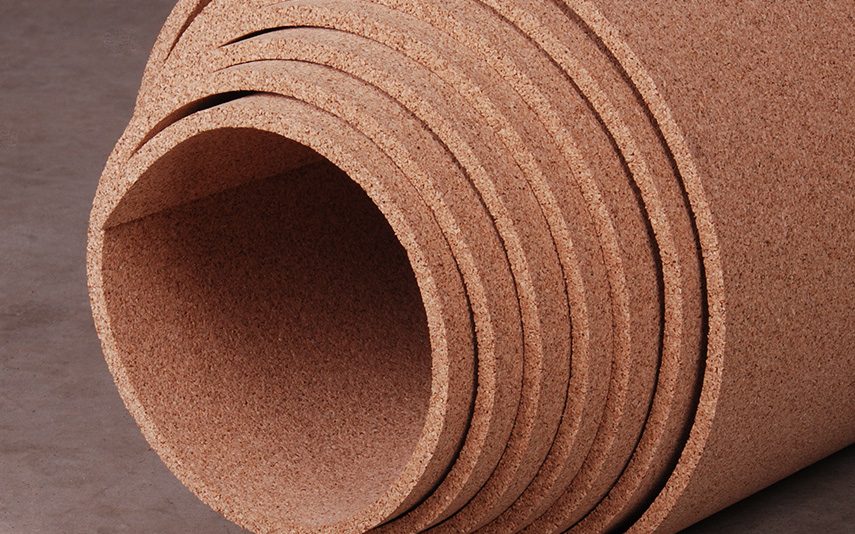
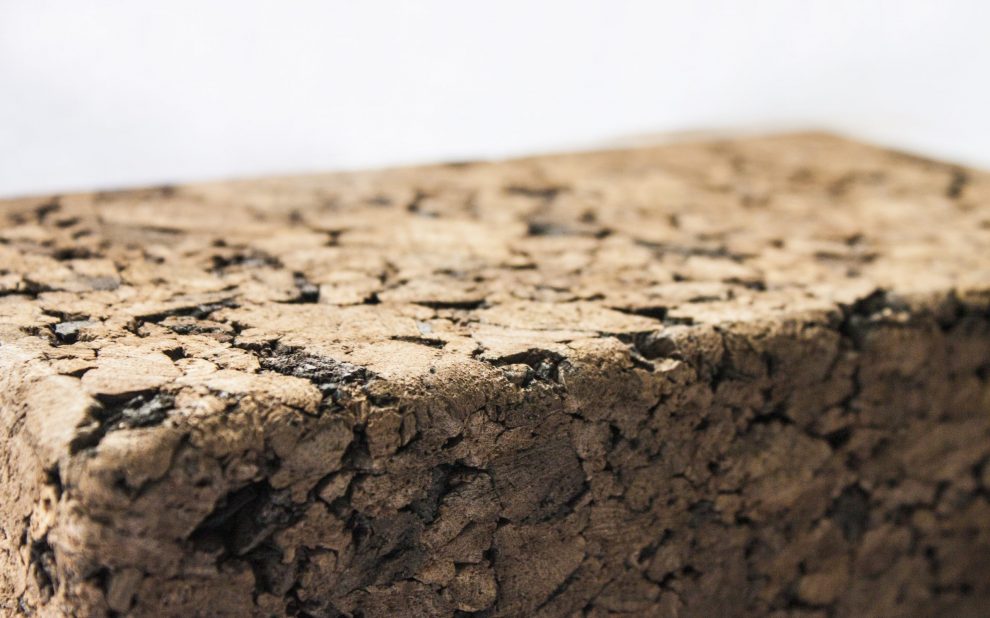
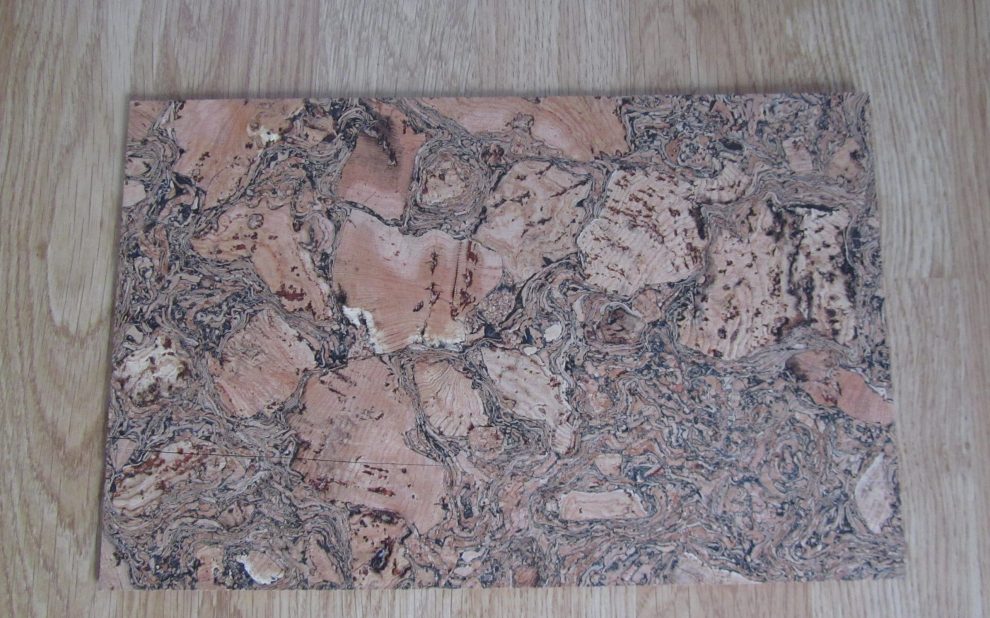
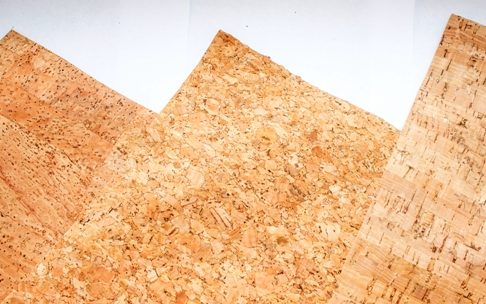
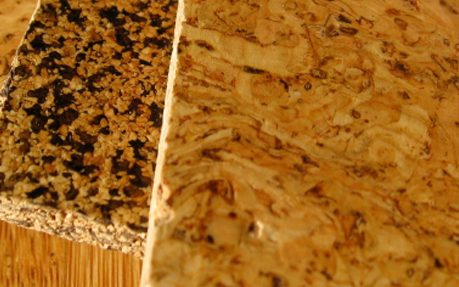
Natural cork fabric is made by making a large block of small pieces of cork (which are in fact off-cuts from the production of wine corks that have been glued together) and it is then sliced into thin layers, which can be used for all sorts of things. The beauty of this natural cork fabric is that it retains the organic feel of natural cork, yet is is flexible and very easy to apply. Here below you can see a diary that has been covered with natural cork fabric and when you touch it, it has a great feel to it as well as being great to look at. If you are interested in what you might be able to produce from cork, please get in touch and we would love to work with you on your project.

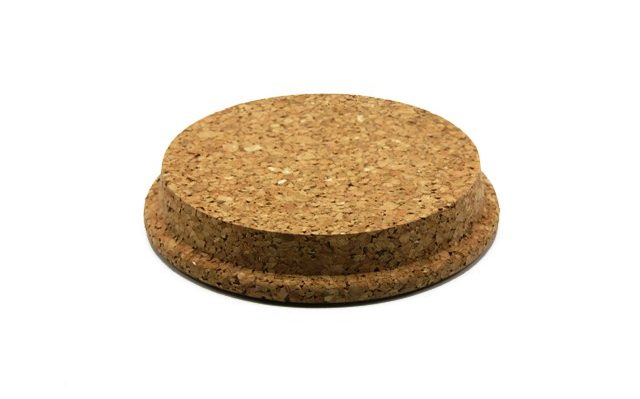
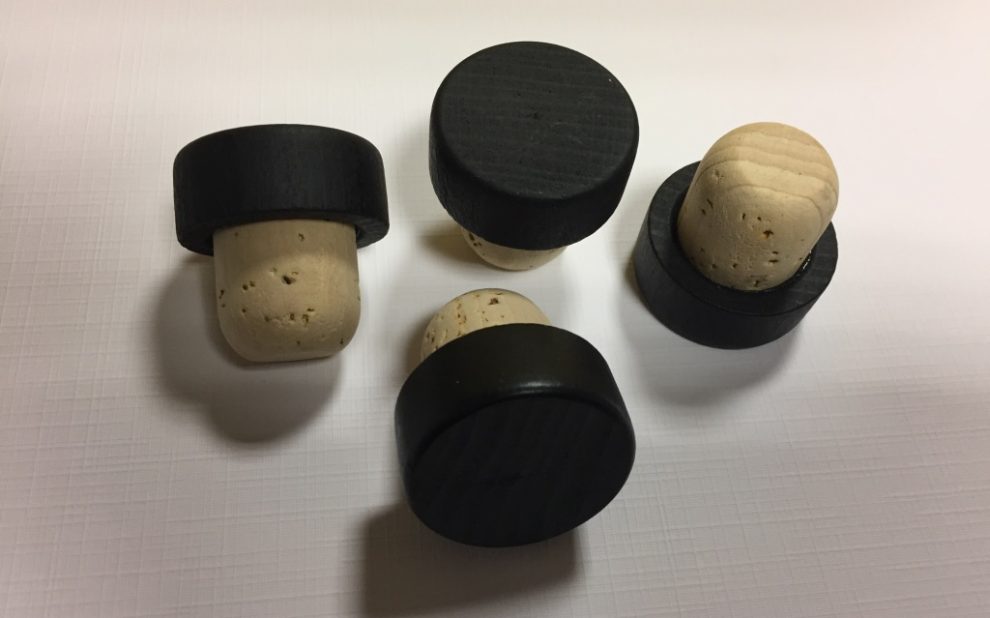
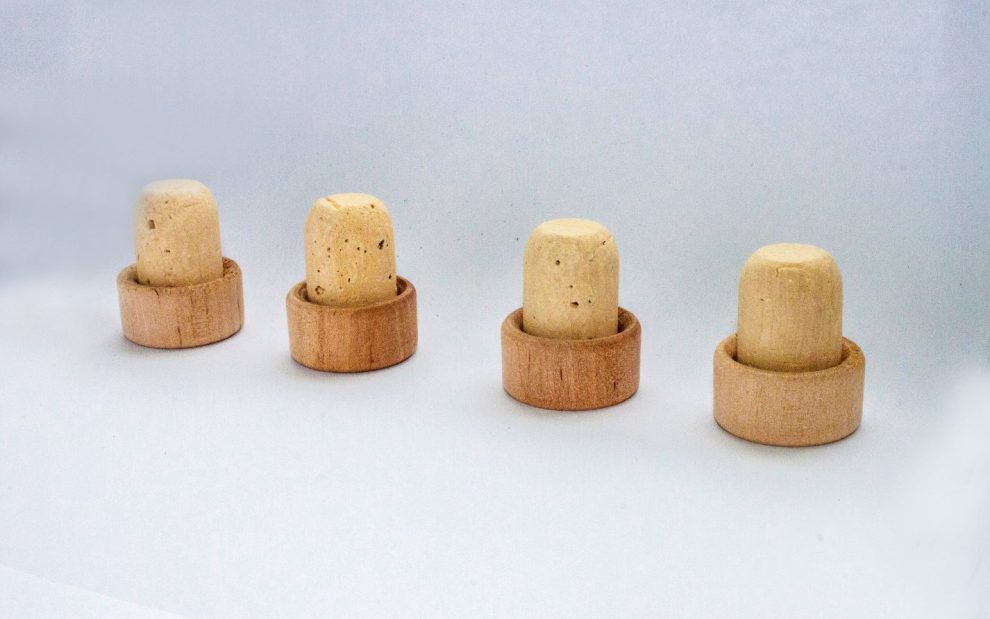
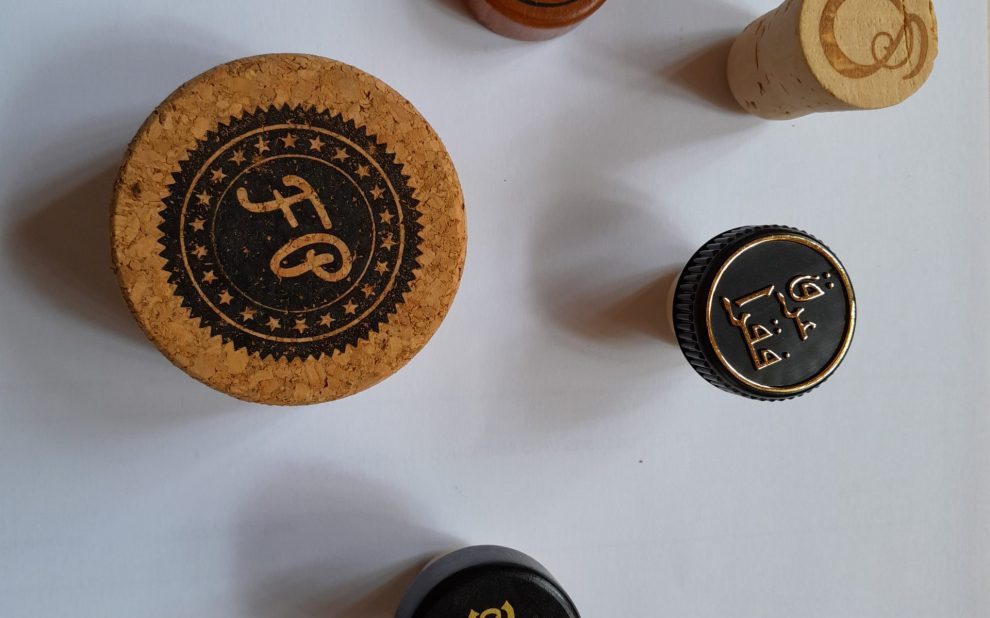
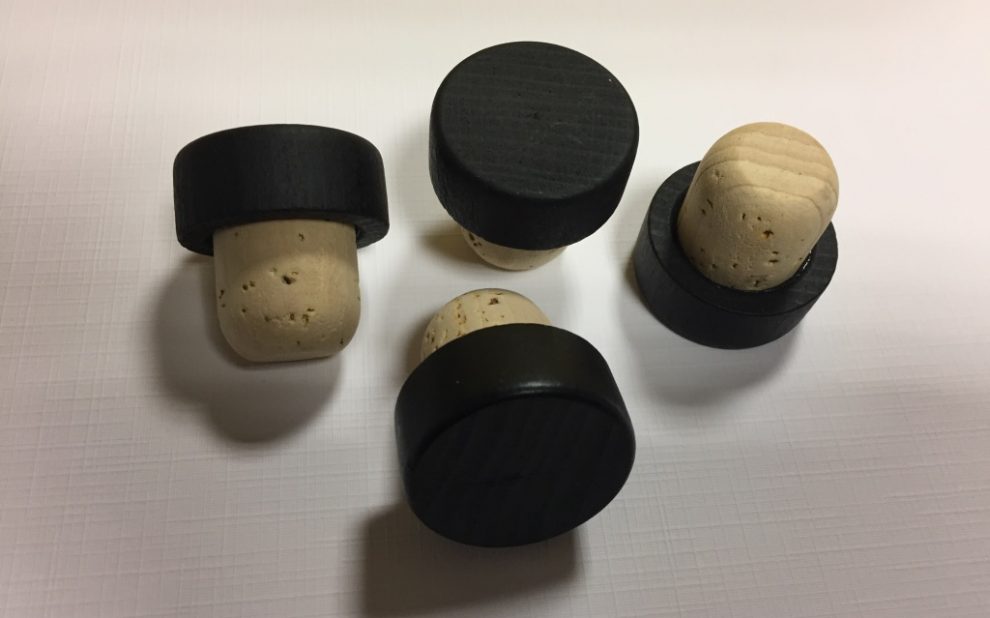
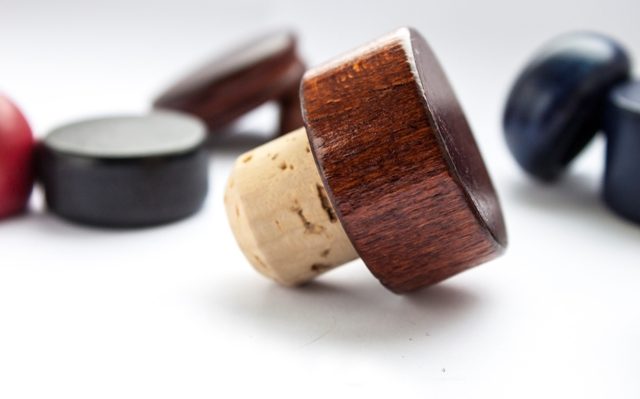
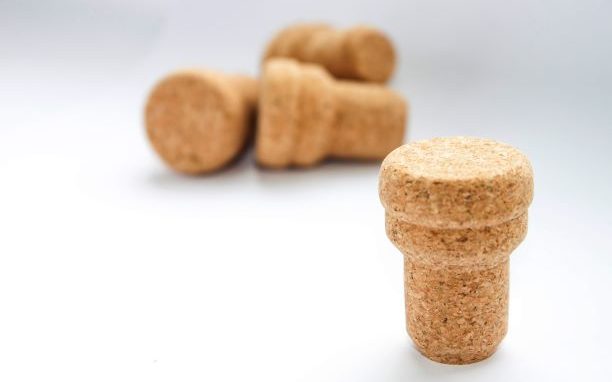
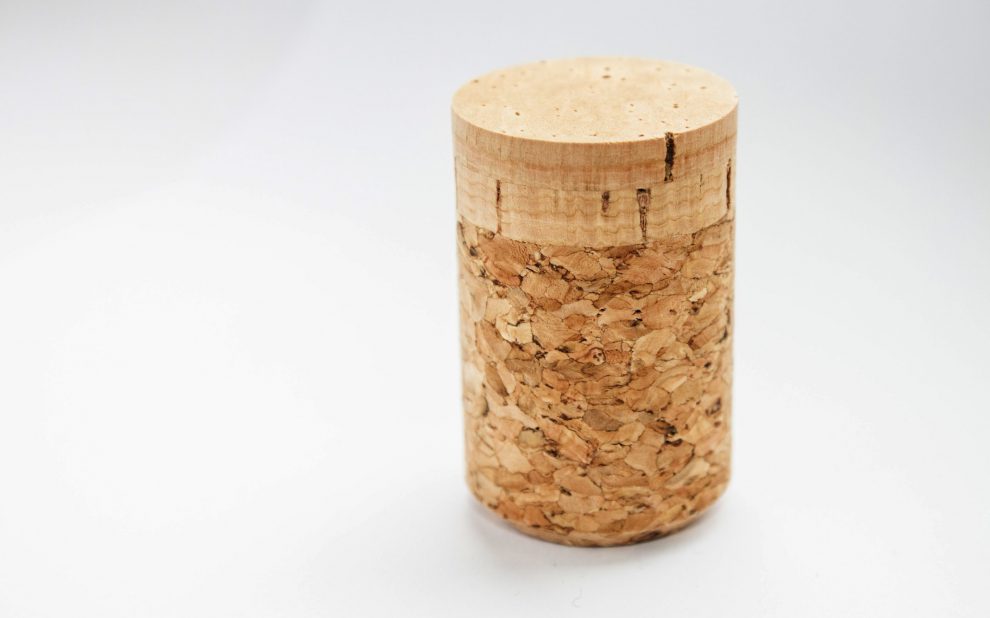
We have just made a delivery of micro-agglomerated corks to Hong Kong for a new spirits brand shortly to be launched. We produced a capsulated (Bar Top) style cork made from a single piece micro-agglomerated cork, incorporating a cap with recess and the dimensions to client specification.
Working with micro-agglomerated cork gives you the option of a relatively low-cost, but attractive looking cork, which can easily moulded to your specification. If you have some unusual requirements for your corks, then please contact us for a quote and more information.
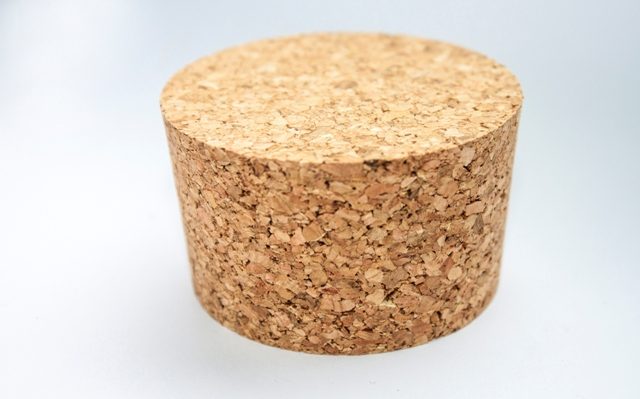
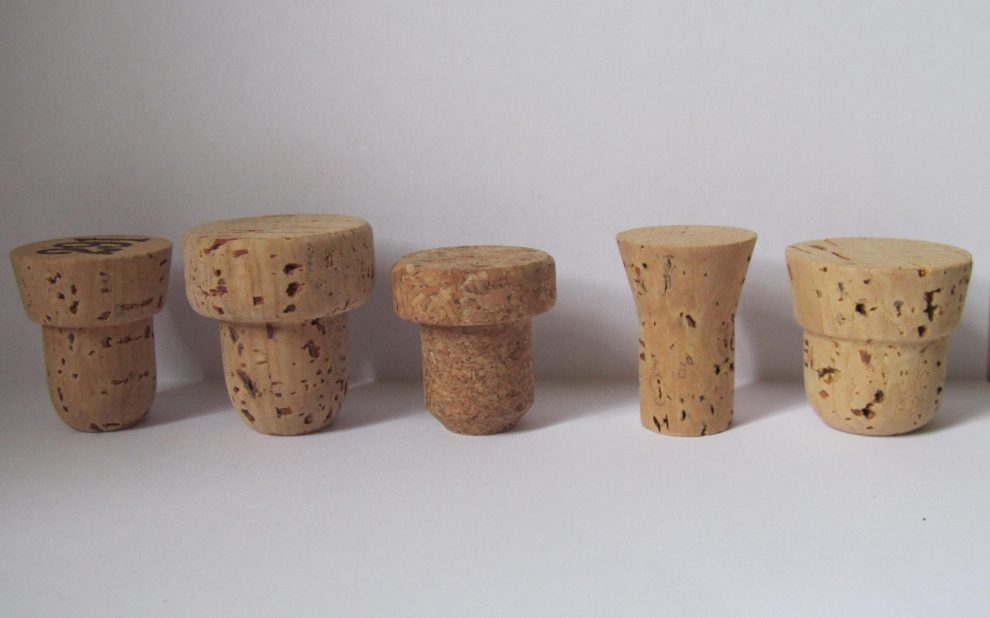
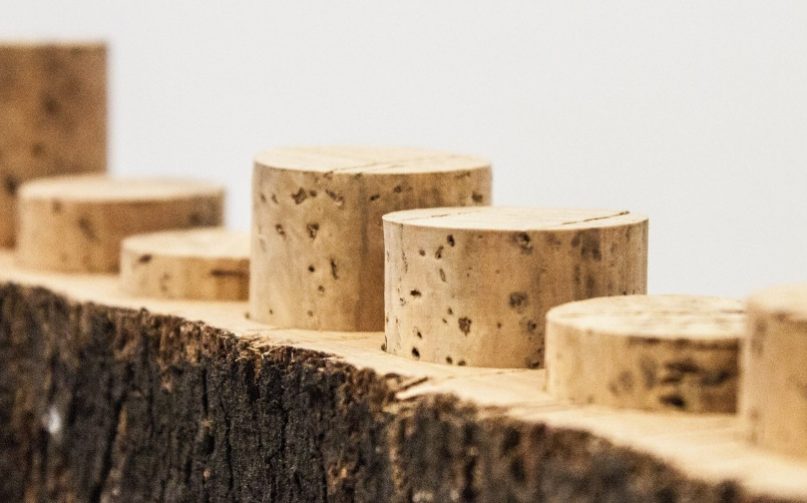
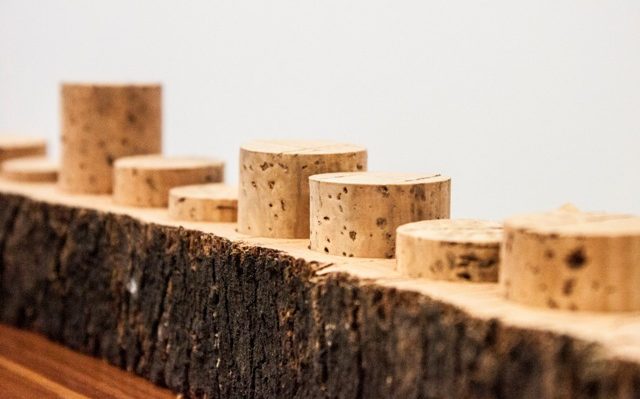
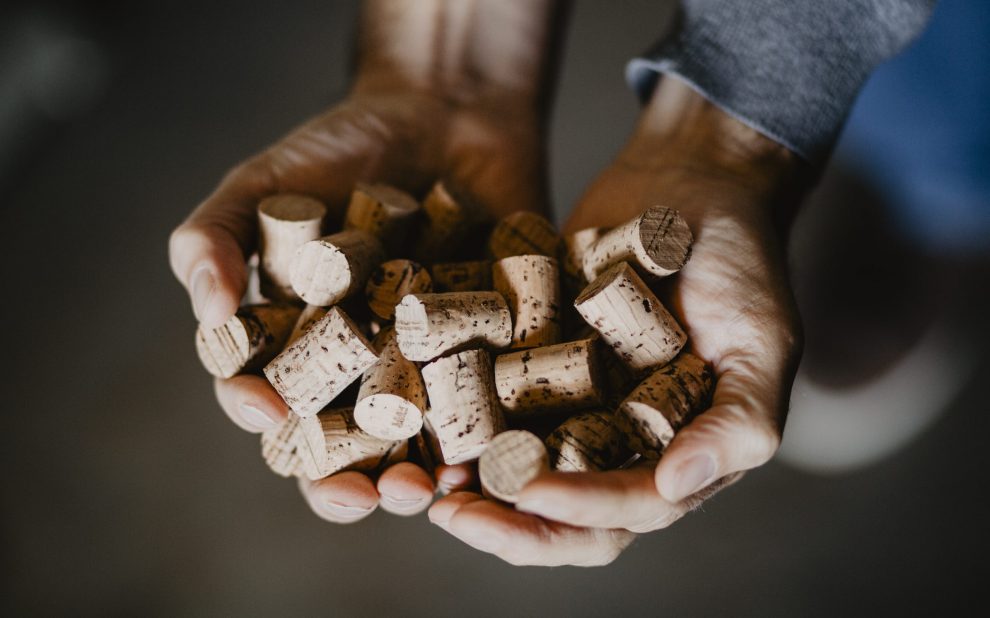
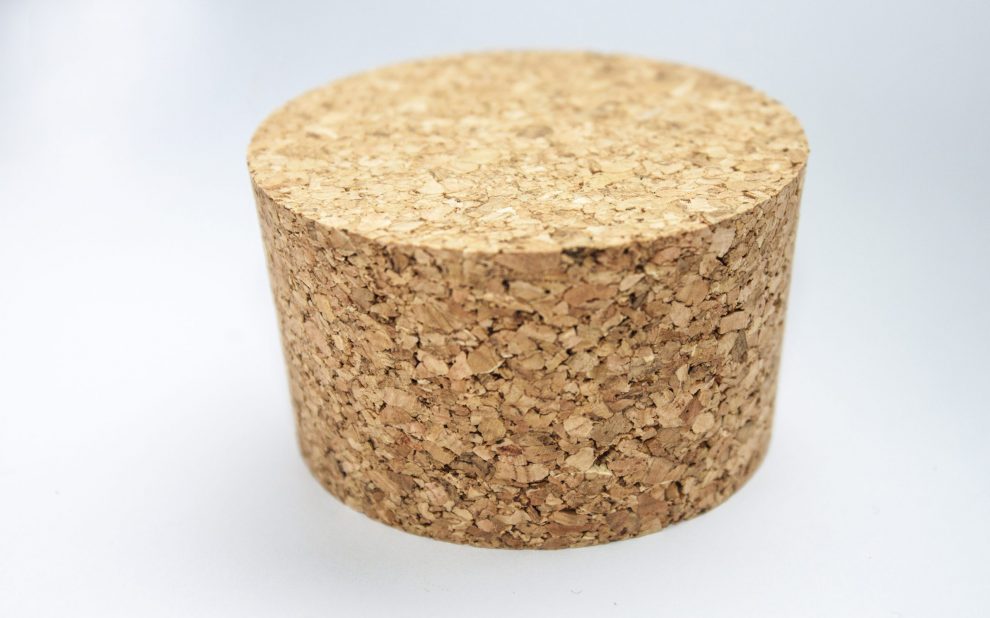
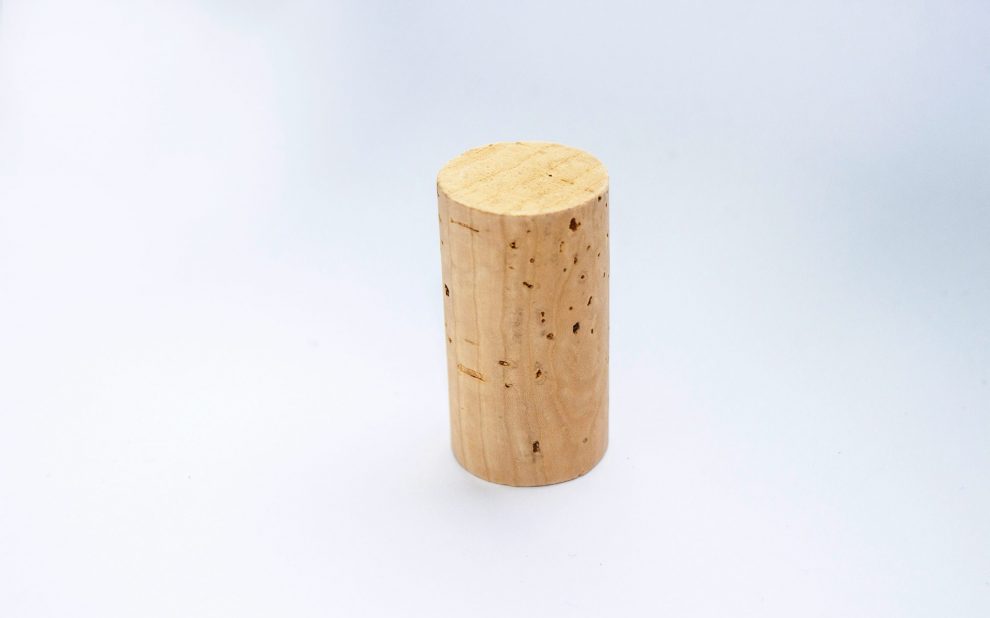
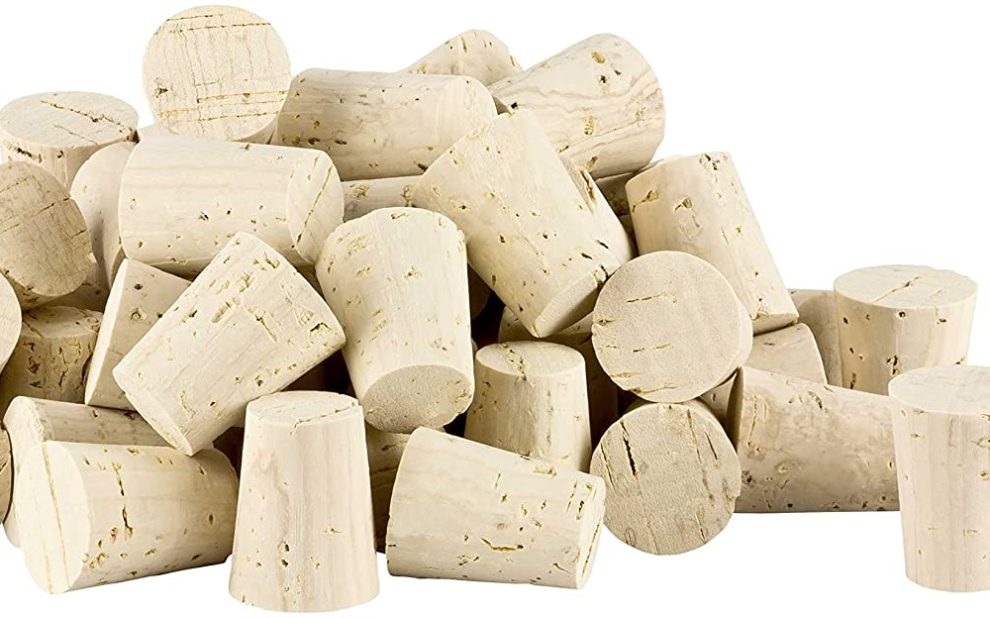
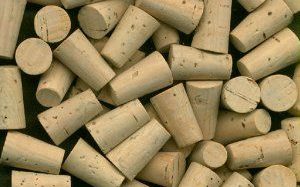
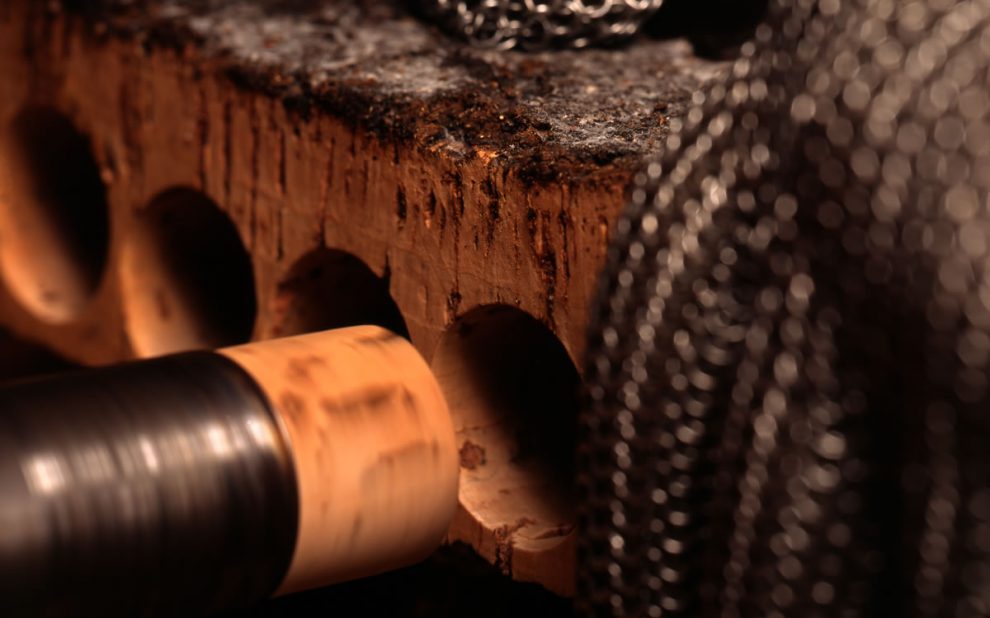
We supply tapered cork stoppers in a variety of standard sizes and we can also produce custom tapered corks to pretty much any specification you require. As well as different sizes, we can also produce tapered corks with centre holes and made from agglomerated, micro-agglomerated or natural cork and as with all cork, there are different quality grades available depending how much you wish to spend. We can also add branding on your tapered corks, adding brand/product names or logos.
As with most uniform corks, tapered corks are made using a punch which punches the corks out of strips of the agglomerated or natural cork. For this reason, custom sized tapered corks may require new tooling, which can make them more expensive, depending on the total quantities you require.
Tapered corks are used in all sorts of industries such as: pottery & ceramics, candle jars, spice jars and tubes, condiment dispensers,test tubes & glassware, health & beauty bottles, construction – the list is endless, so please contact CorkLink if you would like us to quote you for your requirements.
10 years ago, things didn’t look that great for the cork stoppers industry, with strong growth in sales of plastic and aluminium alternatives as a more reliable and cheaper alternative. The cork industry has really fought back however and the market share of synthetic stoppers has fallen from 18.4% in 2007 to 14.4% in 2011, which works out at around 1.2 billion units.
Cork’s return to favour is really due to two factors – one is the significant improvement in the mechanical and chemical reliability of cork stoppers through advancements in the manufacturing process, that have all but eliminated problems with cork taint; the other is a very successful worldwide marketing campaign funded by the cork industry to promote cork as an indicator of quality wine inside the bottle.
In the US market in particular, but more generally across world markets, the strongest growth sector for wine has been at medium and high-medium price points, which are the wines most likely to use corks rather than synthetic alternatives and there is no doubt that the cork industry has benefited from this trend.
Portugal is still the world’s largest producer of corks, accounting for 65% of world market share in 2010 (down from 97% in 1994), but the really good news is that in 2010, total exports of all cork products grew by 12% to reach approximately 800 million euros, which as well as reflecting the success of the cork stopper market, also reflects the growth in sales of other cork products (cork flooring, insulation, moulded products and so on) as the message gets out that cork has unique natural insulating and mechanical properties and is a completely renewable resource. Continuing innovation and marketing by the cork industry look set to continue to drive growth over the medium term, which is fantastic for Portugal as a country, which really needs some good news stories at the moment!